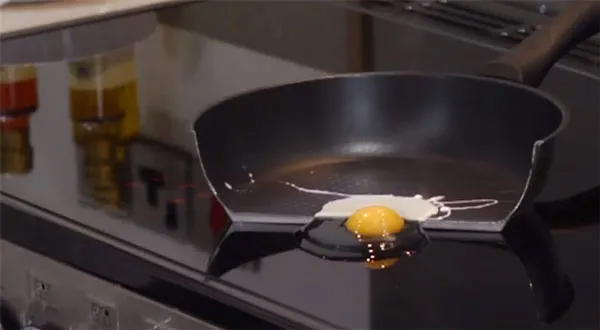
Induction hobs, or cooktops, are a type of kitchen appliance that uses electromagnetic fields to heat pots and pans. This is a different heating method compared to traditional gas or electric hobs.
Here are some key points about induction hobs:
- Efficiency: Induction hobs are highly energy efficient because they heat the cookware directly, reducing heat loss compared to gas and traditional electric cooktops.
- Speed: Because they directly heat the cookware, induction hobs tend to heat up and cool down faster than other types of hobs. This allows for quicker cooking times and better control over cooking temperatures.
- Safety: Induction hobs are generally safer than other types because the hob itself doesn’t get hot, only the pot does. This reduces the risk of burns. Additionally, there’s no open flame as with gas cooktops.
- Cleanliness: Since the hob surface doesn’t get hot, spills won’t get baked onto the surface, making it easier to clean.
- Cookware Compatibility: One limitation of induction hobs is that they require ferromagnetic cookware – that is, pots and pans that a magnet will stick to. Aluminium, copper, glass, and ceramic cookware won’t work on an induction hob unless they have a magnetic layer added to the bottom.
- Cost: Induction hobs tend to be more expensive to purchase than gas or electric hobs. However, they can be more cost-effective in the long run due to their energy efficiency.
- Noise: Induction hobs can sometimes create a humming noise, especially at high-power settings. This is caused by the high-frequency electromagnetic fields that they use.
- Power Supply: Induction hobs require a significant amount of electrical power, so your kitchen will need an appropriate power supply.
Remember, each induction hob may have unique features and characteristics, so always refer to the manufacturer’s instructions for specific usage and safety information.
Shop our range of Induction Hobs Online here.