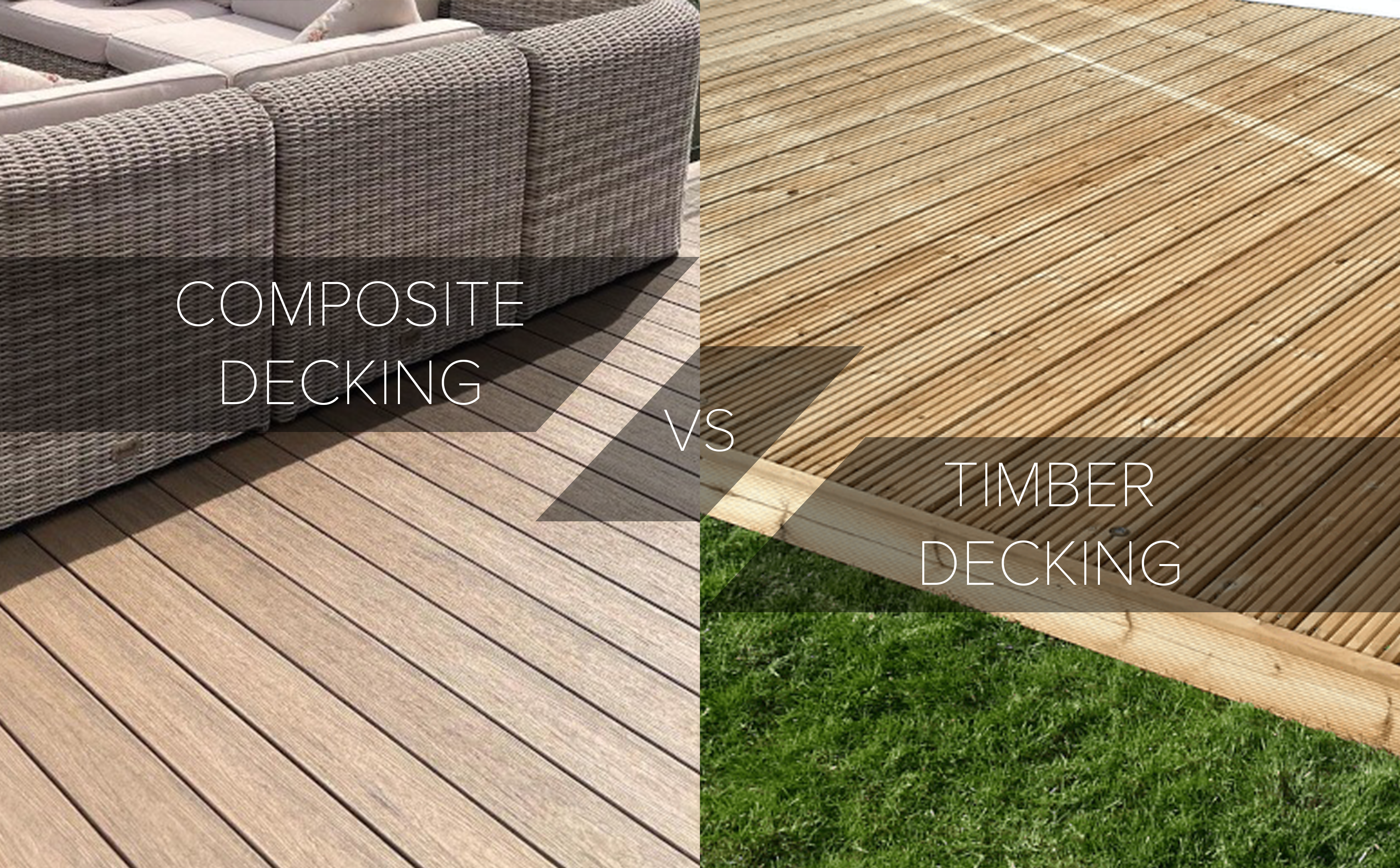
Composite Decking vs Timber Decking: Which Is Right for Your Garden?
Choosing the right decking can completely transform your outdoor space, but with so many options available, it can be hard to know where to start. Two of the most popular choices are composite decking and timber decking — both available at Tippers.
In this Decking Buying Guide, we’ll compare composite decking vs timber decking, looking at cost, maintenance, durability, sustainability, and how each performs in UK weather conditions, so you can make the right choice for your project.
What Is Composite Decking?
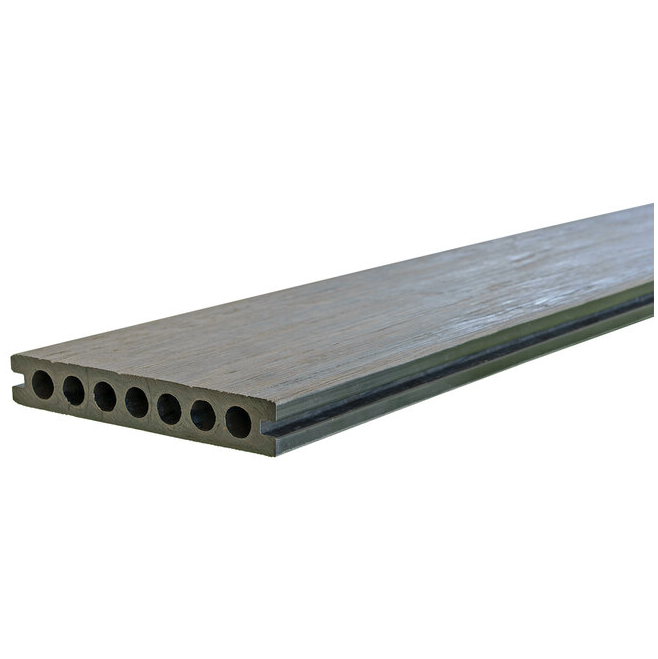
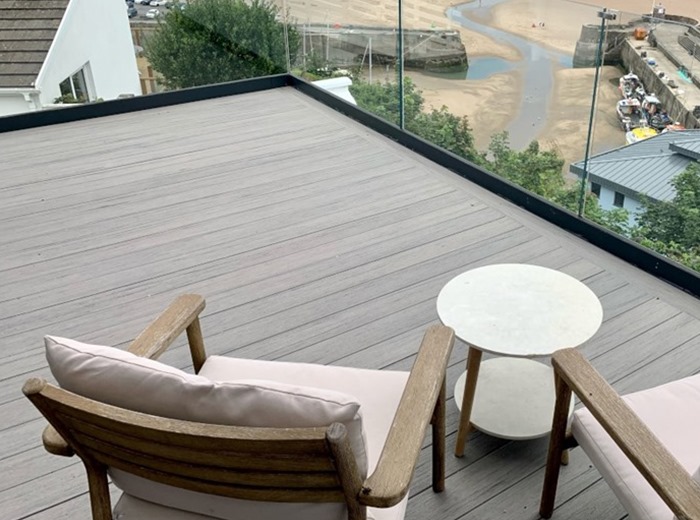
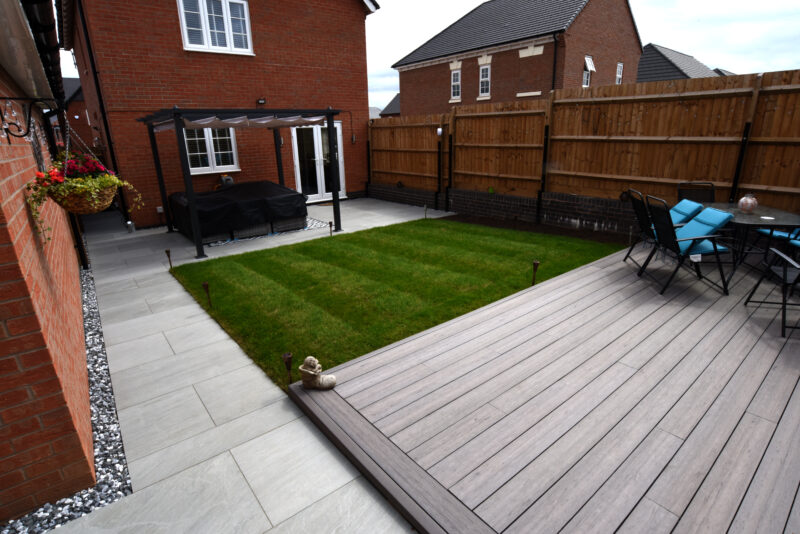
Composite decking is manufactured from a blend of recycled wood fibres and plastic, designed to deliver the look of timber with enhanced durability and lower maintenance.
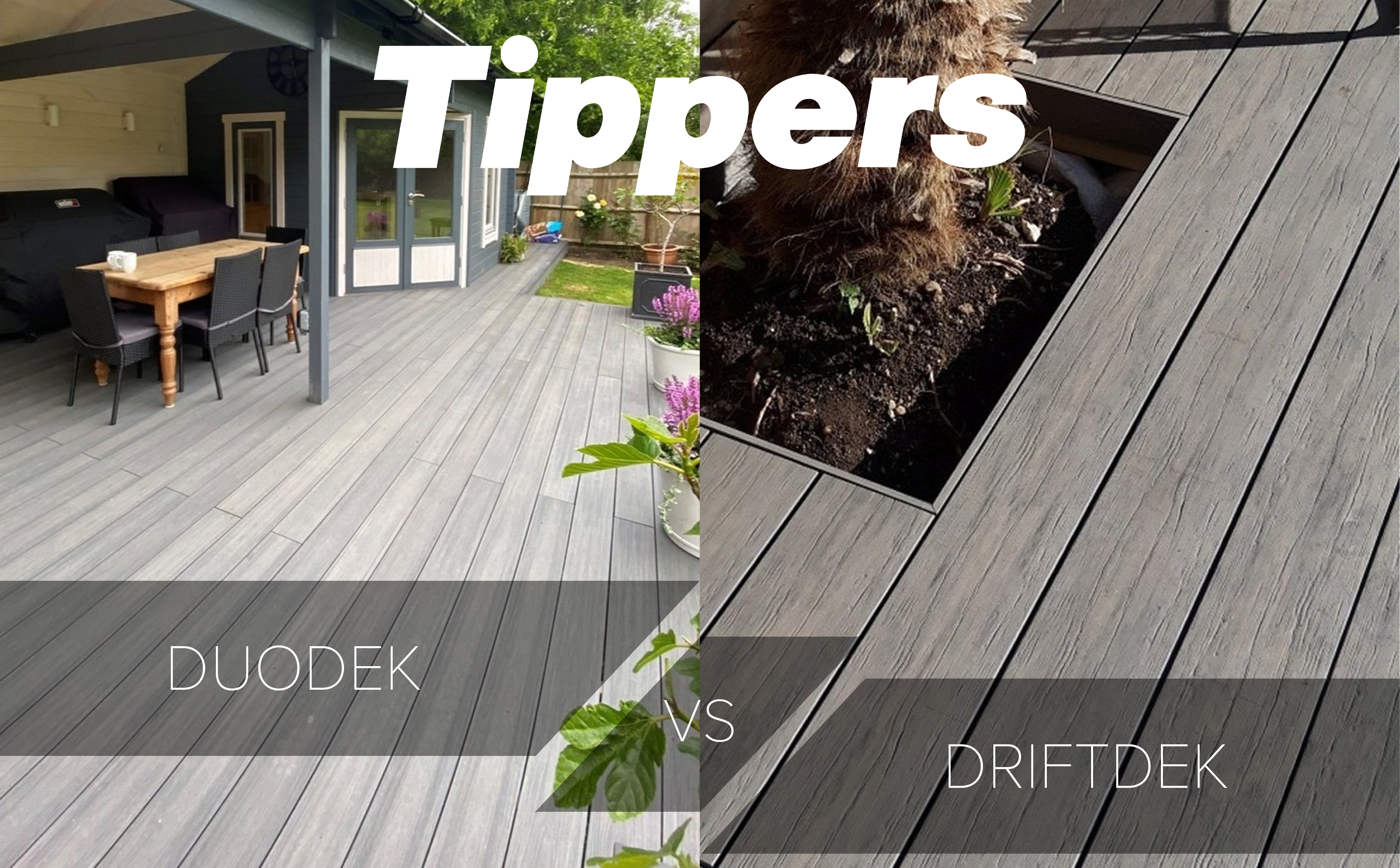
At Tippers, we stock high-quality composite options including Tippers DuoDek and Tippers DriftDek, offering modern finishes and long-lasting performance. Not sure which composite decking is right for your garden? Read the blog on the Difference Between Tippers DuoDek and DriftDek Composite Decking.
What Is Timber Decking?
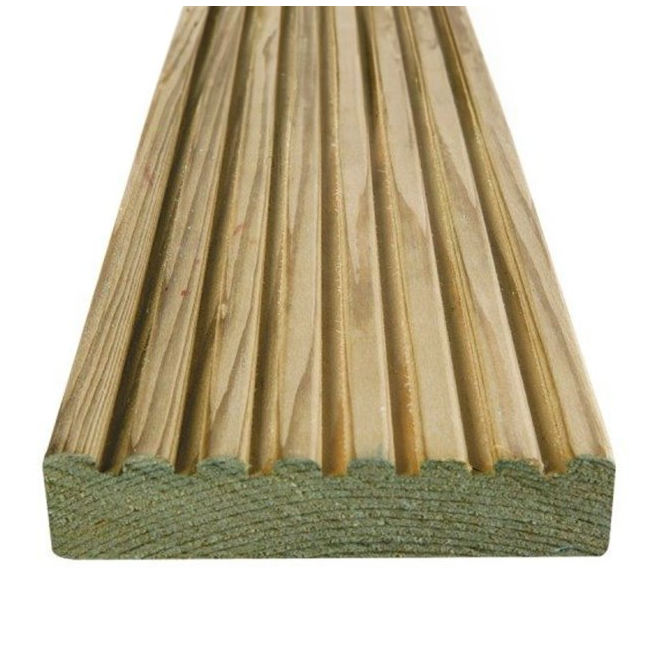
Timber decking is made from natural wood, offering a classic and traditional appearance that works beautifully in many garden designs.
All timber deck boards supplied by Tippers are treated with Tanalith wood preservative, helping to protect against rot, fungal decay, and insect attack, and maximising lifespan when properly maintained.
Choosing the Right Decking for Your Project
There is no one-size-fits-all answer when choosing between composite and timber decking. The right option depends on:
-
Budget (short-term and long-term)
-
Desired appearance
-
Maintenance expectations
-
Intended use and location
Both composite and timber decking can create attractive, functional outdoor spaces when selected and installed correctly.
The UK climate presents challenges such as frequent rain, temperature changes, and seasonal dampness.
-
Composite decking resists moisture absorption and maintains consistent performance
-
Timber decking reacts naturally to weather and benefits from protection and regular care
The location of the deck, level of exposure, and surrounding environment should all be considered.
Composite Decking vs Timber Decking: Key Differences
When comparing composite decking and timber decking, the best option depends on individual budget, appearance preferences, maintenance expectations, and how the deck will be used. Below is a balanced comparison of the key factors to consider.
Cost: Initial and Long-Term Considerations
Composite decking
-
Generally more expensive initially
-
Fewer ongoing maintenance costs over time
Timber decking
-
Lower upfront cost
-
Ongoing expenses for treatments and upkeep
While composite decking may cost more at the outset, timber decking can be more accessible for short-term budgets. Over time, maintenance costs should be factored into the overall investment for either option.
Maintenance & Upkeep
Composite decking
-
Requires minimal maintenance
-
Does not need painting, staining, or sealing
-
Occasional cleaning helps maintain appearance
Timber decking
-
Requires regular cleaning and treatment
-
Benefits from staining or sealing to protect against moisture
-
Maintenance helps preserve colour and lifespan
The choice often comes down to how much time and effort you’re willing to commit to ongoing maintenance.
Durability & Longevity
Composite decking
-
Designed to resist rot, splitting, and warping
-
Performs consistently over time
-
Suitable for high-traffic areas
Timber decking
-
Durable when correctly treated and maintained
-
Individual boards can be replaced if damaged
-
Natural movement may occur due to weather exposure
Both materials can offer long service life when installed correctly and cared for appropriately.
Appearance & Design Options
Composite decking
-
Available in a wide range of colours and finishes
-
Consistent appearance across boards
-
Often chosen for contemporary designs
Timber decking
-
Natural grain and variation
-
Develops character as it weathers
-
Popular for traditional and natural garden styles
Visual preference is highly subjective and often one of the deciding factors.
Safety & Slip Resistance
Composite decking
-
Manufactured with slip resistance in mind
-
Maintains grip in damp conditions
Timber decking
-
Can become slippery when wet or icy
-
Anti-slip solutions can be added where required
Slip resistance should be considered carefully for steps, walkways, and frequently used areas.
Installation Differences
Both composite and timber decking require a stable subframe and correct installation techniques.
-
Composite decking may require specific fixing systems and spacing to allow for temperature-related expansion
-
Timber decking is commonly installed using traditional fixings and familiar methods
Following manufacturer guidance is essential for both materials to ensure performance and longevity.
Treating & Maintaining Your Deck
-
Composite decking typically requires basic cleaning only
-
Timber decking benefits from routine treatment to protect against moisture and wear
Regular care helps maintain appearance and performance regardless of material choice.
Materials & Sustainability
Composite decking
-
Often incorporates recycled materials
-
Designed for long-term use, reducing replacement frequency
Timber decking
-
Made from natural, renewable resources
-
Pressure treated with Tanalith wood preservative to extend lifespan
Both materials can be part of a sustainable approach when responsibly sourced and properly maintained.
Whether you choose composite or timber, Tippers has everything you need — from DuoDek and DriftDek composite decking to treated timber boards, fixings, and expert advice.